Deep Tissue Massage
Slow, focused pressure that reaches the deepest muscle layers to release stubborn knots and lasting tension.
When tension settles in and simply won't let go, a deep tissue massage is often what the body is asking for. Unlike a light relaxation massage, a deep tissue massage works into the deeper layers of muscle and connective tissue to break up the knots, tightness, and adhesions behind chronic pain. At Body Dealing, licensed massage therapist Ana Suriel uses slow, deliberate strokes and firm, targeted pressure to reach the source of your discomfort — releasing built-up tension, restoring range of motion, and helping your body feel free to move again. If you carry tightness in your neck, shoulders, or lower back, or you're worn down by pain that keeps returning, deep tissue massage therapy is designed to reach what surface-level treatments can't.
Years of Experience
Certified Professionals
Proven Reputation
About
What Your Deep Tissue Massage Session Includes
Every deep tissue massage begins with a conversation. Ana takes time to understand where your pain lives, how long it's been there, and how your body responds to pressure — because effective deep tissue work is precise, not just forceful. From there, she uses focused techniques to work methodically through the tight, restricted areas that are holding you back.
A deep tissue massage at Body Dealing typically involves:
- Slow, deliberate strokes that warm the tissue and prepare deeper muscles to release
- Firm, concentrated pressure applied directly to knots, tight bands, and problem areas
- Targeted work on adhesions and scar tissue to restore flexibility and ease movement
- Ongoing communication so pressure stays effective without ever becoming overwhelming
Sessions are available in 30-, 60-, and 90-minute lengths, letting you focus on a specific problem area or address deeper, full-body tension in a single visit.
Improve their well-being
How Deep Tissue Massage Works
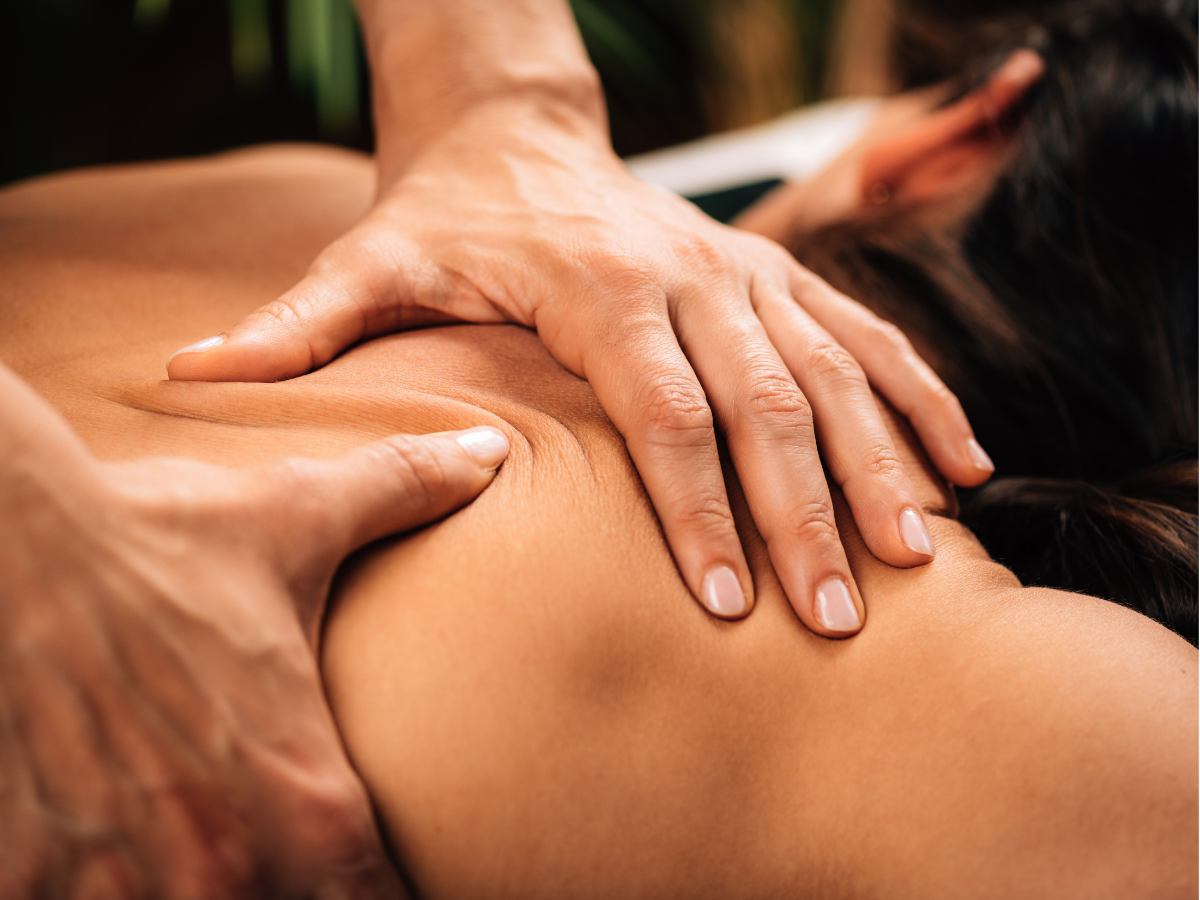
Deep tissue massage is a therapeutic technique that targets the innermost layers of your muscles, tendons, and the dense connective tissue known as fascia. Rather than the gentle, flowing movements of a relaxation massage, it relies on slow, deliberate strokes and intense, concentrated pressure to physically work through rigid bands of tissue — the adhesions most people simply call "knots." These tight blockages can limit joint flexibility, cause localized pain, restrict healthy blood circulation, and contribute to ongoing inflammation. By breaking them down, a deep tissue massage helps release tension at its source, encourages better circulation to the area, and allows the muscle to return to a fuller, more comfortable range of motion. It's worth noting that while deep tissue massage can be a powerful tool for managing tension and everyday chronic pain, it isn't a substitute for medical care — if you're dealing with an injury or a diagnosed condition, it's best to check with your doctor first.
Signs a Deep Tissue Massage Could Help
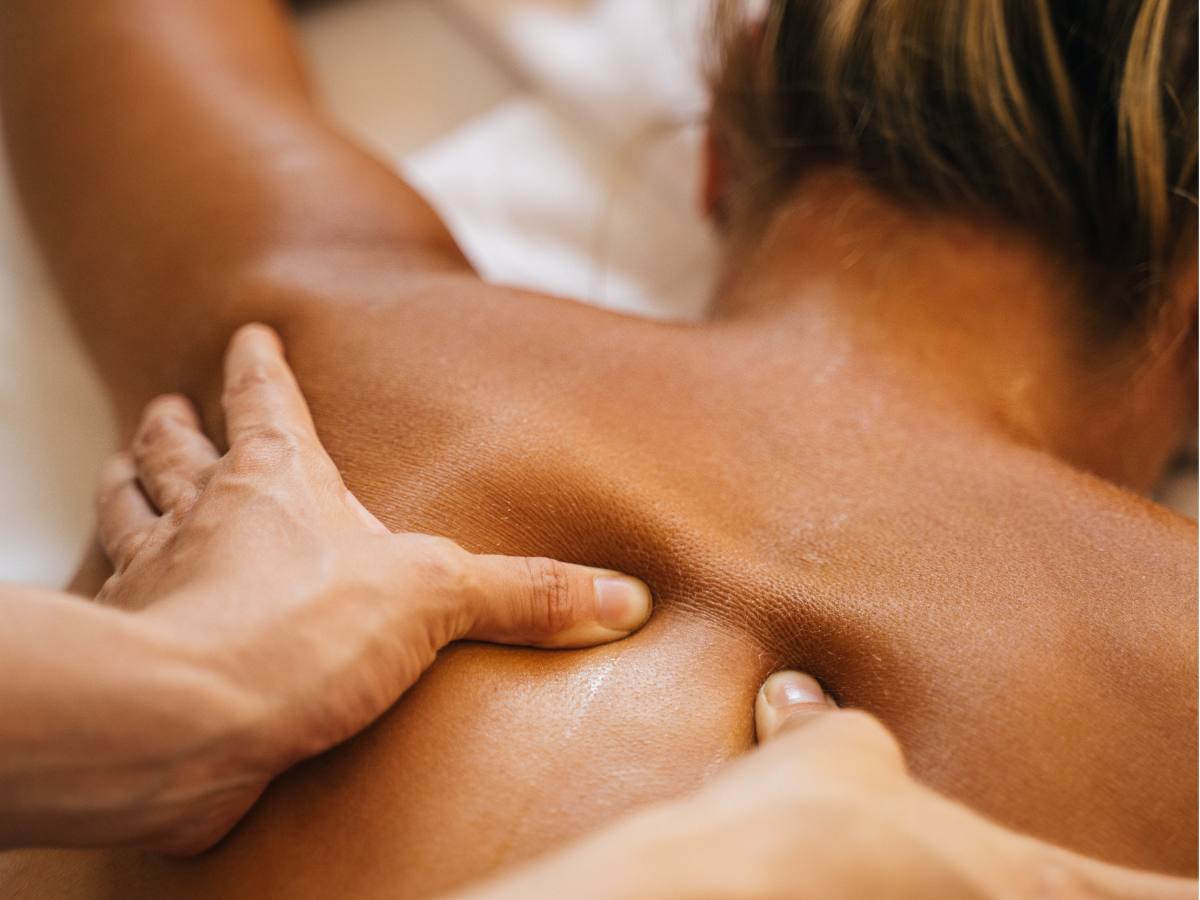
Not sure whether deep tissue is right for you? These are some of the most common signs that your body would benefit from deeper, more focused work:
- Persistent tightness in the neck, shoulders, or lower back that keeps returning
- Knots or "hot spots" that feel tender or restricted when pressed
- Stiffness or reduced range of motion in certain joints or muscles
- Chronic tension from long hours at a desk, on your feet, or behind the wheel
- Lingering soreness from repetitive movement or an active lifestyle
- Pain that lighter, relaxation-style massage never quite reaches
If any of these sound familiar, a deep tissue massage may be exactly what your body needs.
Who Deep Tissue Massage Is Best For
Deep tissue massage is ideal for anyone living with the kind of tension that builds up slowly and refuses to fade. Desk workers and professionals who spend long hours hunched over a keyboard often carry chronic tightness in the neck, shoulders, and upper back — exactly the areas deep tissue work is designed to address. It's also well suited to people on their feet all day, those managing recurring aches, and anyone whose stress seems to settle physically into their muscles. Because it works deeper than a standard relaxation massage, deep tissue is a strong choice for people who've tried gentler treatments and found they simply didn't go far enough. If your goal is real, lasting relief rather than a temporary reset, this treatment is built for you.
Why Choose Body Dealing for Deep Tissue Massage
What sets Body Dealing apart is the skill and attention behind every session. Ana Suriel is a licensed massage therapist and the owner of Body Dealing, trained at the New York College of Health Professions in both Eastern and Western techniques, with focused study in deep tissue and sports massage. That background gives her a recognized, well-rounded understanding of how the body holds tension — and how to release it safely and effectively.
Just as important, Ana believes in educating her clients rather than simply working on them. She'll help you understand what's happening in your muscles, why certain areas feel the way they do, and how to care for them between visits. Her deep tissue work is firm and thorough, but always guided by your feedback, so you get genuine relief without discomfort you didn't sign up for.
How the Benefits of Deep Tissue Massage Last Beyond the Table
The relief from a deep tissue massage often continues to unfold in the days that follow. As adhesions release and circulation improves, many clients notice they move more freely, sit and stand with less strain, and feel a lasting drop in the tension they'd grown used to carrying. Because Ana takes time to explain where your tightness comes from, you also leave with practical awareness of how your posture and daily habits affect your body — insight you can use to prevent tension from building back up. Over a series of sessions, that combination of hands-on release and better self-awareness helps you feel looser, more mobile, and more resilient long after your appointment ends.
Does Deep Tissue Massage Hurt?
A common question about deep tissue massage is whether it's painful — and the honest answer is that it should feel intense, but not unbearable. Because deep tissue work involves firm pressure on tight, restricted muscles, you may notice a "good hurt" sensation as knots and adhesions begin to release, similar to the feeling of a satisfying stretch. What it should never be is sharp, jarring, or genuinely painful. At Body Dealing, Ana works within your comfort level and checks in throughout the session, adjusting pressure so the massage stays effective without crossing into discomfort. It's also normal to feel some mild soreness the next day, much like after a good workout; drinking water and resting usually helps it pass quickly. The goal is always relief, not pain.
What's the Difference Between Deep Tissue and a Regular Massage?
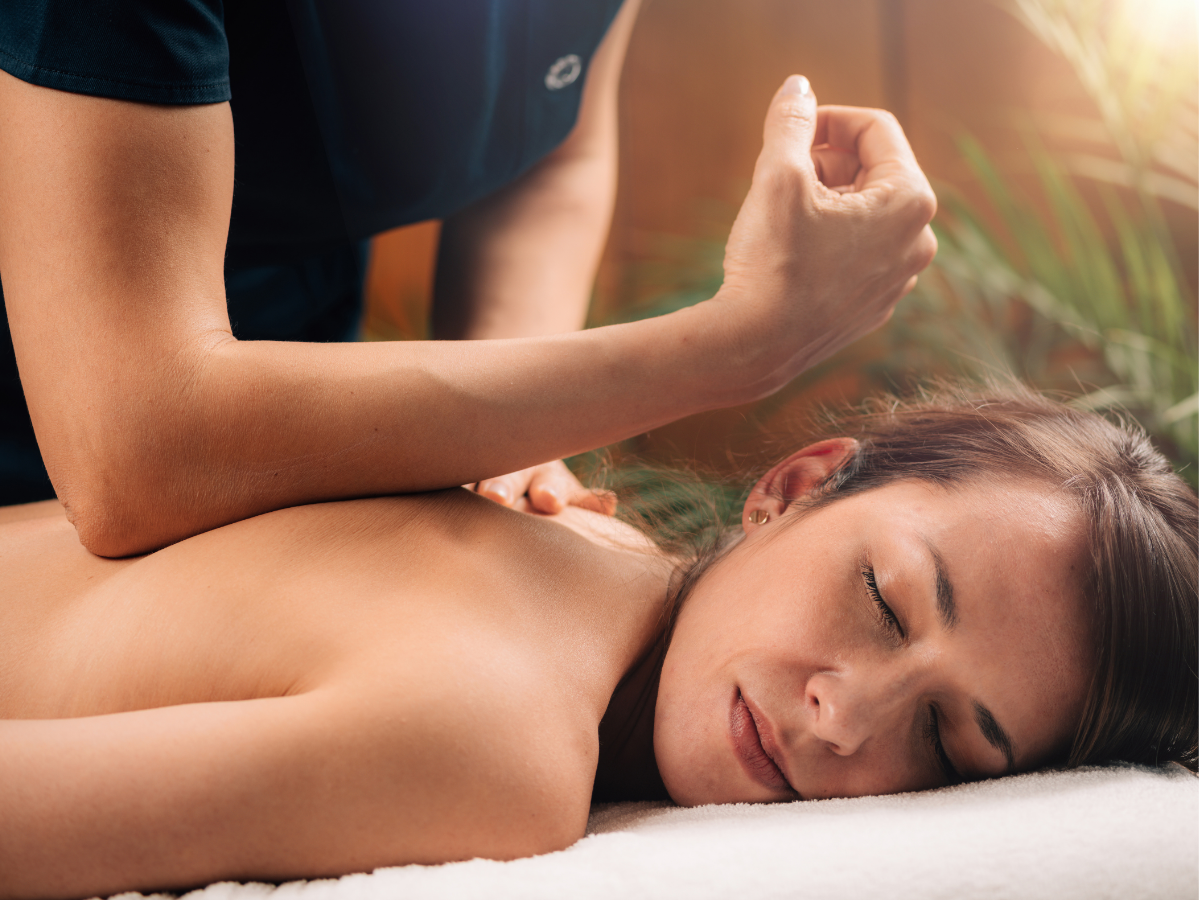
The main difference comes down to depth and purpose. A regular or relaxation-style massage, such as a Swedish massage, uses lighter to moderate pressure and long, flowing strokes to ease surface tension and promote overall calm. A deep tissue massage, by contrast, uses slower movements and firmer, more concentrated pressure to reach the deeper layers of muscle and connective tissue, specifically targeting chronic tension, knots, and adhesions. In short, a relaxation massage is about unwinding, while a deep tissue massage is about releasing deeper, more stubborn tightness and addressing lasting pain. At Body Dealing, Ana offers both, so if you're unsure which is right for you, she can recommend the best fit based on how your body feels and what you're hoping to achieve.
Frequently Asked Questions
How long is a deep tissue massage session?
At Body Dealing, deep tissue massage sessions are offered in 30-, 60-, and 90-minute lengths, so you can choose the option that best matches your needs. A 30-minute session works well when you want to concentrate on a single problem area, such as a tight neck or a stubborn spot in your lower back. A 60-minute deep tissue massage allows enough time to address several areas of tension thoroughly, making it a popular choice for overall relief. If you're carrying deeper or more widespread tightness, a 90-minute session gives Ana the time to work slowly and methodically through the body without rushing. During booking, she's glad to help you decide which length will serve you best based on what you're experiencing.
How will I feel after a deep tissue massage?
Right after a deep tissue massage, most people feel a noticeable sense of release and lightness in the areas that were worked on, along with improved mobility. It's also common to experience some mild soreness for a day or two afterward, similar to how muscles feel after exercise — this is a normal response as the tissue recovers and adjusts. Staying hydrated, moving gently, and resting typically help you feel the full benefits within a day or so. Many clients find that once any initial soreness fades, they're left with meaningful, lasting relief from the tension they came in with. Ana will always let you know what to expect based on the work done during your session.
How often should I get a deep tissue massage?
How often you should get a deep tissue massage depends on your goals and how your body responds. If you're working through chronic tension or a specific problem area, more frequent sessions — such as every one to two weeks at first — can help make steady progress. Once you're feeling better, many people move to a maintenance rhythm, like a monthly session, to keep tension from building back up. Those with physically demanding routines or high-stress lifestyles may benefit from coming in more regularly. Because Ana takes time to understand your body during each visit, she can offer personalized guidance on a cadence that supports lasting relief without ever pressuring you into a fixed schedule.
Is deep tissue massage safe for everyone?
Deep tissue massage is safe and beneficial for most healthy adults, but because it involves firm, focused pressure, there are situations where extra care or a doctor's guidance is important. If you're pregnant, recovering from a recent injury or surgery, managing a condition such as a blood-clotting disorder, or dealing with a diagnosed medical issue, it's best to speak with your physician before booking and to let Ana know in advance. This allows her to adjust her approach, focus on appropriate areas, or recommend a gentler treatment if that's the safer choice for you. Being open about your health history helps ensure your deep tissue massage is both effective and safe.
What should I do before and after a deep tissue massage?
A little preparation helps you get the most from your deep tissue massage. Beforehand, it's a good idea to arrive well hydrated, avoid a heavy meal right before your session, and give yourself a few minutes to settle in so your body isn't tense from rushing. Afterward, drinking plenty of water supports your muscles as they recover, and gentle movement — rather than strenuous activity — helps you feel your best. If you notice mild soreness over the next day or two, that's a normal part of the process, and light stretching or rest usually eases it. Ana is always happy to share personalized guidance on caring for your body between sessions so your relief lasts as long as possible.
Book Your Deep Tissue Massage Today
You don't have to keep living with tension that won't let go. Whether you're managing chronic tightness or simply need a deeper, more focused release, Ana Suriel is ready to help you feel free to move again. Reach out to book your deep tissue massage at Body Dealing.
Contact Us
Have a Question? Let's Talk
Tell us what's going on with your body and Ana will follow up personally — no pressure, no obligation.
We will get back to you as soon as possible.
Please try again later.
Services We Offer:

Providing you with Harmony between Body, Mind, & Spirit
Call Ana Suriel Today to Book Your Appointment
Contact Information
Call us now!
Email Address:
Our Location:
Brooklyn, NY
Client Reviews
What Our Clients Are Saying About Us
I left my first session feeling lighter than I have in years. Ana took the time to understand exactly where I was holding tension and built the whole treatment around it. I've never had bodywork feel this personal or this restorative.
⭐⭐⭐⭐⭐
Jane W.
Chronic shoulder pain had me tightening up for months, and nothing seemed to stick. After a few sessions of myofascial work, I finally have my range of motion back. Ana explains what she's doing and why — I actually understand my own body now.
⭐⭐⭐⭐⭐
Marcus R.
Contact
Book Your Session
Every treatment starts with your goals. Send a note and we'll find a time that works.
We will get back to you as soon as possible.
Please try again later.