Myofascial Release near
Watchung
Gentle, sustained pressure that releases tight fascia, restores range of motion, and quiets chronic tension at the source.
Watchung sits quietly in the hills of Somerset County, and many residents here lead active, physically demanding lives - whether hiking the Watchung Reservation, commuting long distances, or working demanding desk jobs. When tightness and discomfort refuse to respond to stretching or a good night's rest, the fascia is often part of the story. Myofascial release is a specialized form of bodywork focused on the connective tissue that wraps your muscles, bones, and nerves - a system that holds more chronic tension than most people realize. Serving clients near Watchung, licensed massage therapist Ana Suriel at Body Dealing uses slow, sustained pressure to coax restricted fascia into releasing, ease stubborn trigger points, and restore freer movement throughout the body. This isn't a hurried treatment that skims the surface. It's deliberate, focused work that gives deep-seated tension the time it truly needs to let go. For anyone near Watchung dealing with pain that just won't quit, myofascial release therapy offers a thoughtful path toward meaningful, lasting relief.
Years of Experience
Certified Professionals
Proven Reputation
About
What Your Myofascial Release Session near Watchung Includes
A myofascial release session at Body Dealing typically involves:
- Hands-on assessment to identify tight, restricted fascia and active trigger points
- Gentle, sustained compression held long enough to allow connective tissue to soften and lengthen
- Deliberate, unhurried work that engages the fascial web rather than gliding past it
- A focused approach built around the specific areas driving your pain or limiting your movement near Watchung
Sessions are available in 30-, 60-, and 90-minute lengths, letting you target a specific problem area or address deeper, more widespread restriction.
Improve their well-being
How Myofascial Release near Watchung Works
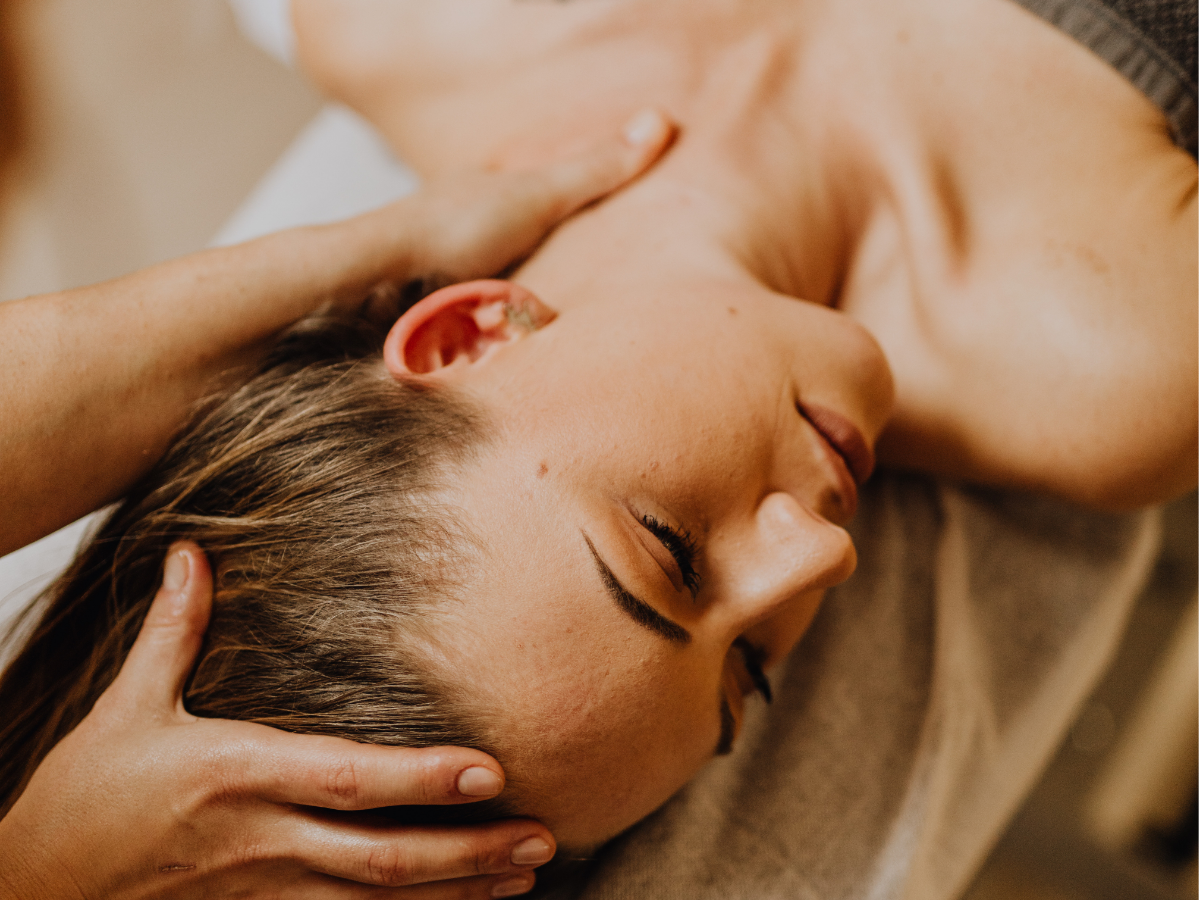
What Does Myofascial Release near Watchung Do?
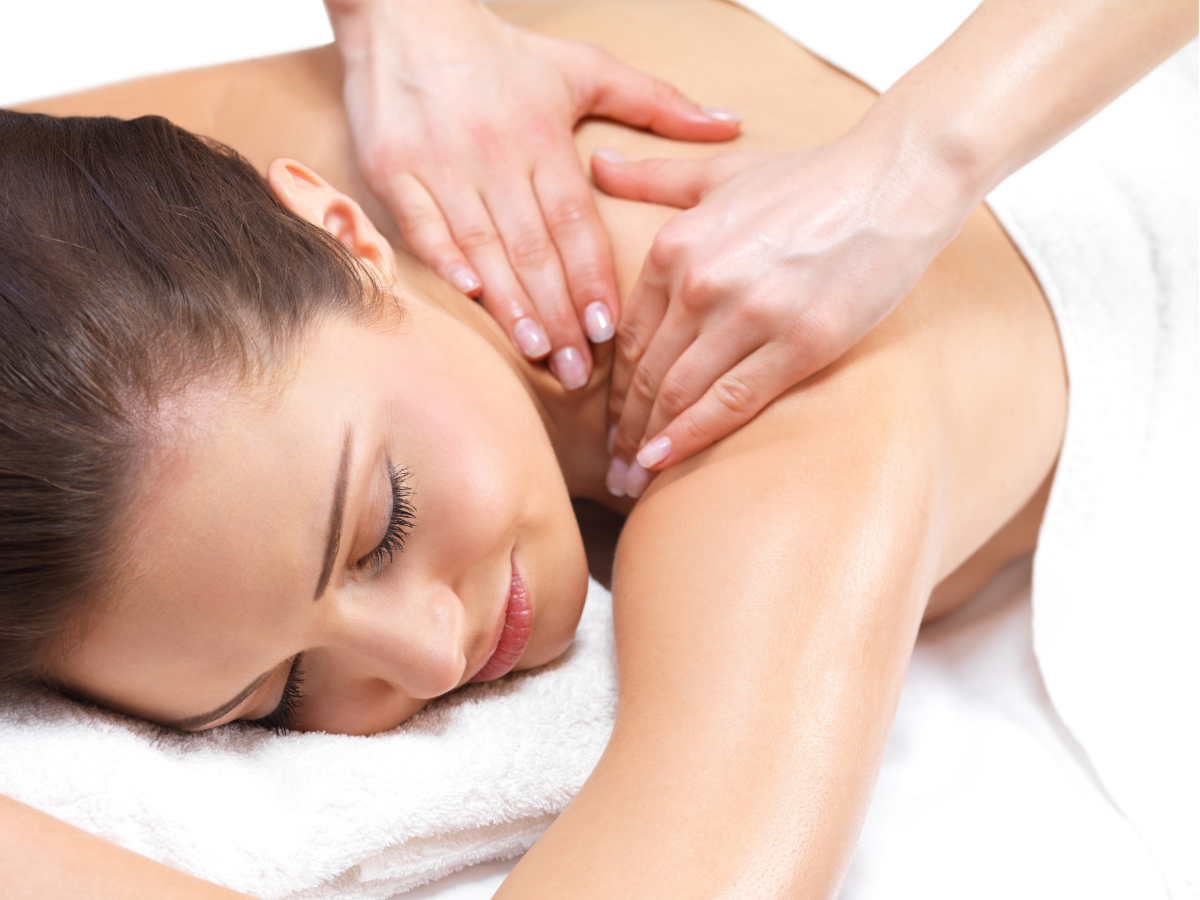
What Is the Difference Between Massage and Myofascial Release?
Does Myofascial Release Help TMJ?
Why Choose Body Dealing for Myofascial Release near Watchung
What makes Body Dealing worth the trip for Watchung-area clients is the depth of skill and the unhurried attention Ana Suriel brings to every session. Ana is a licensed massage therapist and the owner of Body Dealing, trained at the New York College of Health Professions in a program that spans both Eastern and Western techniques. That well-rounded, recognized training gives her a thorough understanding of how tension travels through the body's systems - and why the patient, methodical approach of myofascial release near Watchung can address what other modalities routinely miss. The hills and reservations of Somerset County deserve a therapist who brings that level of care to the work.
Ana's philosophy goes well beyond hands-on technique. Rather than simply working on her clients from Watchung, she takes time to explain what fascia actually is, why certain parts of the body hold restriction so stubbornly, and how small habits between sessions can support the work done on the table. That kind of knowledge shifts the relationship from passive treatment to active participation in your own recovery. Her myofascial approach is gentle but never superficial - every session is shaped by your feedback and oriented toward relief that holds up in real life, not just for an hour afterward.
Frequently Asked Questions
How long is a myofascial release session?
At Body Dealing, myofascial release sessions are offered in 30-, 60-, and 90-minute lengths, so you can choose the option that best fits your needs. A 30-minute session works well when you'd like to focus on a single restricted area, such as a tight neck, shoulder, or lower back. A 60-minute myofascial release session allows time to address several areas thoroughly at the slow, sustained pace this technique requires. If your tension is deeper or more widespread, a 90-minute session gives Ana the time to work patiently through the fascial restrictions without rushing. During booking, she's happy to help you decide which length will serve you best based on what you're experiencing.
What does myofascial release feel like?
Myofascial release feels quite different from a typical massage. Rather than flowing strokes, you'll notice steady, sustained pressure that Ana holds on tight or restricted areas, often for a minute or two at a time. Many people describe a gradual sense of release, as if the tissue is slowly softening and letting go, sometimes accompanied by a mild stretching sensation. It's generally gentle rather than intense, though you may feel tenderness in especially restricted spots. The experience is patient and deliberate by design, and most people find it deeply relieving. As always, Ana works within your comfort level and checks in throughout your session.
How will I feel after a myofascial release session?
After a myofascial release session, most people feel looser, more mobile, and noticeably lighter in the areas that were worked on. Because the technique encourages the connective tissue to release and reorganize, it's also common to feel some mild soreness or tenderness for a day or so afterward, similar to how you might feel after gentle exercise. Staying well hydrated and moving gently helps your body respond and settle. Many clients find that once any initial tenderness fades, they're left with meaningful relief from tension they'd carried for a long time. Ana will let you know what to expect based on the work done during your session.
Is myofascial release safe for everyone?
Myofascial release is gentle and well tolerated by most healthy adults, but there are situations that call for extra care or a doctor's guidance. If you're pregnant, recovering from a recent injury or surgery, managing a condition such as a bleeding disorder, or dealing with a diagnosed medical issue, it's best to speak with your physician before booking and to let Ana know in advance. This allows her to adjust her approach, focus on appropriate areas, or recommend a gentler option when that's the safer choice. Being open about your health history helps ensure your myofascial release session is both effective and safe for you.
How often should I get myofascial release?
How often you should get myofascial release depends on your goals and how your body responds. If you're working through chronic tension or a specific restricted area, more frequent sessions early on — such as every one to two weeks — can help make steady progress. Once you're feeling better, many people shift to a maintenance rhythm, like a monthly session, to keep tension from rebuilding. Because everyone's fascia and tension patterns are different, Ana takes time to understand your body during each visit and can offer personalized guidance on a cadence that supports lasting relief, without ever locking you into a fixed schedule.
Book Your Myofascial Release Session near Watchung Today
Call or text: (347) 987-5326 Email: Anasuriellmt@gmail.com
Contact Us
Have a Question? Let's Talk
Tell us what's going on with your body and Ana will follow up personally — no pressure, no obligation.
We will get back to you as soon as possible.
Please try again later.
Services We Offer:
Providing you with Harmony between Body, Mind, & Spirit
Call Ana Suriel Today to Book Your Appointment
Contact Information
Call us now!
Email Address:
Our Location:
Brooklyn, NY
Client Reviews
What Our Clients Are Saying About Us
I left my first session feeling lighter than I have in years. Ana took the time to understand exactly where I was holding tension and built the whole treatment around it. I've never had bodywork feel this personal or this restorative.
⭐⭐⭐⭐⭐
Jane W.
Chronic shoulder pain had me tightening up for months, and nothing seemed to stick. After a few sessions of myofascial work, I finally have my range of motion back. Ana explains what she's doing and why — I actually understand my own body now.
⭐⭐⭐⭐⭐
Marcus R.
Contact
Book Your Session
Every treatment starts with your goals. Send a note and we'll find a time that works.
We will get back to you as soon as possible.
Please try again later.